The ONE Thing: A Comprehensive Summary for Extraordinary Results
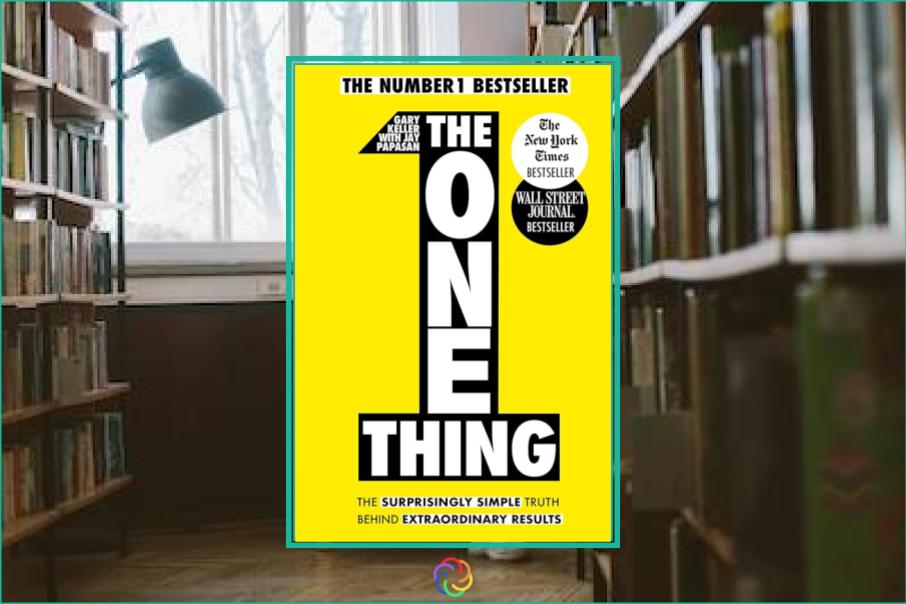
Gary Keller and Jay Papasan’s The ONE Thing has captivated readers worldwide with its transformative approach to achieving extraordinary results in work and life. First published in 2013, the book became a bestseller, earning accolades from institutions like The Wall Street Journal and New York Times. Endorsed by prominent figures in productivity and self-improvement, The ONE Thing has resonated with leaders, entrepreneurs, and individuals seeking clarity in a chaotic world.
Background and Premise
At its heart, The ONE Thing centers around the idea that extraordinary success is achieved by narrowing focus. Keller and Papasan use Curly’s advice from City Slickers to encapsulate their philosophy: “Life’s secret is one thing. Just one thing. You stick to that, and everything else doesn’t mean sh*t.” The book leverages principles like the Pareto Principle (80/20 rule) and introduces novel concepts like the “Domino Effect” to illustrate how focusing on a singular priority can create massive ripple effects in productivity and life.
The Six Lies That Derail Success
Keller identifies six pervasive myths that hinder progress:
-
Everything Matters Equally: While to-do lists seem productive, they often prioritize trivial tasks. Instead, adopt a “success list,” honing in on the 20% of activities that generate 80% of outcomes. For example, Apple’s focus on a single product at a time (e.g., the iPhone) showcases this principle.
-
Multitasking: Neuroscientific studies reveal multitasking reduces efficiency. Clifford Nass at Stanford found that chronic multitaskers performed worse on tasks compared to their focused counterparts.
-
A Disciplined Life: Discipline is not the goal but a pathway to habit formation. Research shows habits solidify after about 66 days, making consistent effort more valuable than rigid discipline.
-
Willpower Is Always on Will-Call: Willpower is finite and should be strategically reserved for the most critical tasks. Think of it like a battery that depletes as the day progresses.
-
A Balanced Life: Keller argues balance is a myth; achieving success often requires embracing imbalance in favor of priorities. He recommends “counterbalancing” by intentionally neglecting less important tasks temporarily.
-
Big Is Bad: Thinking big is essential. Keller encourages asking expansive questions like, “How can I achieve 10x my goal?” to push boundaries.
The Core Truth: The Focusing Question
The book introduces a transformative tool: The Focusing Question:
“What’s the ONE Thing I can do such that by doing it everything else will be easier or unnecessary?”
This question fosters clarity across all areas of life—personal, professional, spiritual, or relational. For instance, Jeff Bezos focused Amazon’s early efforts on becoming the best online bookstore, paving the way for its broader success.
The Productivity Framework
Keller outlines a three-part framework:
- Live with Purpose: Purpose drives priorities. Ask yourself what excites you and what legacy you want to leave.
- Live by Priority: Start with your ultimate goal and work backward to determine today’s essential action.
- Live for Productivity: Time-block your day to focus on your ONE Thing. Dedicate at least four hours daily to this priority.
Key Examples and Research
- The Domino Effect: A two-inch domino can topple another 50% larger. By the 31st domino, it could surpass Mount Everest in height. Keller uses this metaphor to illustrate how small, consistent actions lead to monumental outcomes.
- Success Leaves Clues: Companies like Google thrive by focusing on their core offering. Google’s ONE Thing—search—underpins its advertising empire, demonstrating the power of specialization.
Common Pitfalls: The Four Thieves
Keller warns against productivity blockers:
- Inability to say “no.”
- Fear of chaos.
- Poor health habits.
- An unsupportive environment.
Mitigating these thieves involves setting boundaries, prioritizing health, and cultivating a goal-aligned environment.
Criticisms
While widely celebrated, The ONE Thing has faced critiques for oversimplifying complex realities. Some argue the singular focus may not apply to individuals juggling multiple responsibilities. Additionally, the emphasis on extreme imbalance might not align with everyone’s values.
Conclusion: The Journey Toward Extraordinary
Keller concludes with a powerful reminder: Success is a sequential journey, not a simultaneous one. By aligning actions with purpose and focusing on the most impactful task, anyone can achieve extraordinary results.
Whether you’re an entrepreneur, artist, or student, the principles outlined offer a blueprint for success in a world filled with distractions. Start today by asking yourself: What’s the ONE Thing I can do right now?